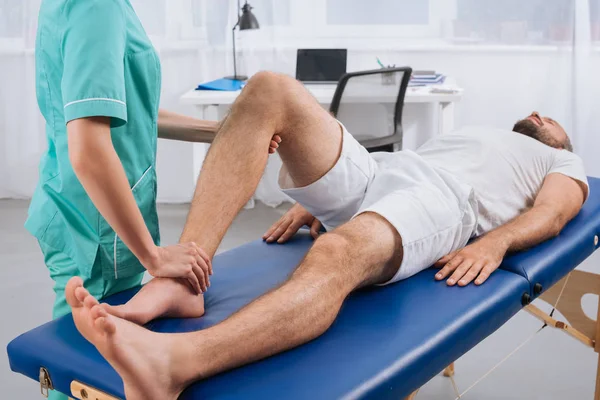
The Healing Potential of Physical Therapy as a Treatment Method
Researchers have found that patients who undergo physical therapy instead of surgery can significantly reduce their pain and increase their mobility this is especially true in musculoskeletal conditions such as fibromyalgia or arthritis.
Most PT sessions involve learning exercises that you can perform at home to help improve your mobility and strength. However, these exercises only work if you regularly do them.
Experience the joint melrose park la clinica our expert therapists focus on joint mobility and rehabilitation to enhance your overall well-being.
Strengthening Muscles
Whether you have a sports injury or are dealing with chronic pain due to fibromyalgia or Parkinson’s disease, the right physical therapy can help you strengthen and manage your condition. Using specific exercises and treatment techniques, a physical therapist can help you reduce the need for medications and other intervention methods such as surgery.
For athletes, proper form is crucial to reducing injury risk and improving performance. A physical therapist can teach you how to improve your form while ensuring you don’t injure yourself.
A physical therapist can also help you improve your balance, which is particularly important for people who suffer from conditions like osteoporosis or arthritis. This is accomplished through a variety of techniques, including stretching and muscle-strengthening exercises. They may also use electrical stimulation, ultrasound, massage, and hot and cold therapy to increase range of motion and strength.
Reducing Inflammation
A physical therapist can reduce inflammation, which is an important part of the healing process. Inflammation causes the body to send white blood cells and chemicals to the area where an injury or infection has occurred. It is this response that helps the area to heal, but it can become a problem when the immune system overreacts and stays activated for too long.
A PT can prescribe exercises that improve the strength and stability of the affected body part. This can help to manage symptoms like pain, stiffness and swelling. They may also use techniques like transcutaneous electrical nerve stimulation (TENS) or ultrasound to reduce inflammation in the affected area.
A PT can also recommend changes to your diet and lifestyle that can have a positive impact on reducing inflammation. For example, a diet rich in omega-3 fatty acids and low in foods with added sugars can improve the condition of your joints. This can help prevent the onset of inflammatory conditions such as arthritis.
Restoring Range of Motion
A physical therapist can design a plan to slowly rebuild the range of motion in an injured joint. This includes exercises and treatment modalities like heat and cold therapy, electrical stimulation, and therapeutic ultrasound. This helps patients manage pain and reduces their reliance on pain medications.
Physical therapists can also identify underlying issues like faulty movement patterns that are causing the problem. They can then correct these issues before they lead to more serious problems.
In addition to reducing pain and inflammation, physical therapy can also help people avoid surgery. This is particularly true for conditions like herniated discs and arthritis. For many of these patients, PT can improve their symptoms so much that they no longer require surgery. Moreover, if patients do undergo surgery, it can make the recovery process quicker and easier. This can also save them time and money.
Preventing Future Injuries
Physical therapy can help prevent future injuries by teaching you how to better protect your body. For example, a PT can teach you proper form when exercising so that you do not injure yourself again.
A PT can also help you prevent injury by strengthening muscles that are often overworked, such as the knees and ankles. This reduces the risk of overuse injuries that occur when you do repetitive activities without giving your body a chance to recover.
In some cases, PT can even save you from surgery. Several studies have shown that patients who undergo PT prior to surgery experience less pain and faster recovery than those who do not. In addition, patients who have undergone PT are more likely to complete their treatment plans. This helps to avoid painful complications and re-injuries.